
Employers Urged To Regularly Review Their Workplace Pension Schemes
New research by Towergate Employee Benefits has highlighted a concerning trend amongst employers regarding the oversight of their workplace pension schemes.
The findings of the report reveal that less than half of employers have assessed their pension schemes in the past year, raising questions about whether these schemes are truly delivering value for both employers and employees.
According to the study, only 48% of employers have reviewed their workplace pensions within the last 12 months. A further 35% admitted their last review occurred within the past three years, while 10% confessed that they had never conducted a review. Moreover, 8% were unsure when, if ever, a review had taken place.
This lack of regular scrutiny is especially troubling as workplace pensions represent not only a legal requirement but also a significant aspect of employee benefits and organisational reputation.
The research also highlighted governance gaps. Just over half (52%) of companies maintain any form of pension governance structure, such as internal committees or external advisers. This suggests many businesses may lack the necessary oversight to ensure their schemes remain competitive and compliant with evolving standards.
Driving this renewed focus on value is a set of upcoming regulatory changes from the Government and regulators. New value for money regulations will introduce a unified framework to assess workplace pensions across cost, performance, and service metrics. Central to this initiative is a red-amber-green (RAG) rating system that will publicly disclose how default investments perform within each scheme.

By making this information transparent, regulators hope to encourage underperforming schemes either to improve or exit the market altogether. Implementation is slated for 2026/27, with initial disclosures expected in 2028.
Commenting upon the findings, the client director at Towergate Employee Benefits, Sorangi Shah, states: "New regulations being proposed mean workplace pensions will need to demonstrably offer value for money; we’re surprised at how few employers have recently reviewed their pension scheme, and expect to see this figure increase, but it’s vital that any review encompasses the right criteria."
Shah adds: "Pension schemes are not only a statutory obligation but an invaluable part of the employee value proposition. Often pension costs can be a significant proportion of the employee benefits budget, therefore it is important they demonstrate value for money for employers and employees. A well-run pension scheme can be a huge asset to a company in terms of employee satisfaction, engagement and, therefore, recruitment and retention."
Workers Demand a Say in AI’s Workplace Future
A new survey by the TUC, involving 2,605 respondents, has revealed mounting concern among workers about the impact of artificial intelligence (AI) on jobs, with half of adults believing employees and unions should have a meaningful voice in shaping how AI is developed and used in workplaces.
The report found that 51% of the public are worried about AI’s effect on employment. Amongst younger workers aged 25 to 34, anxiety rises to 62%. Despite just 17% overall opposing worker involvement, most people across political lines support giving employees equal say alongside employers.
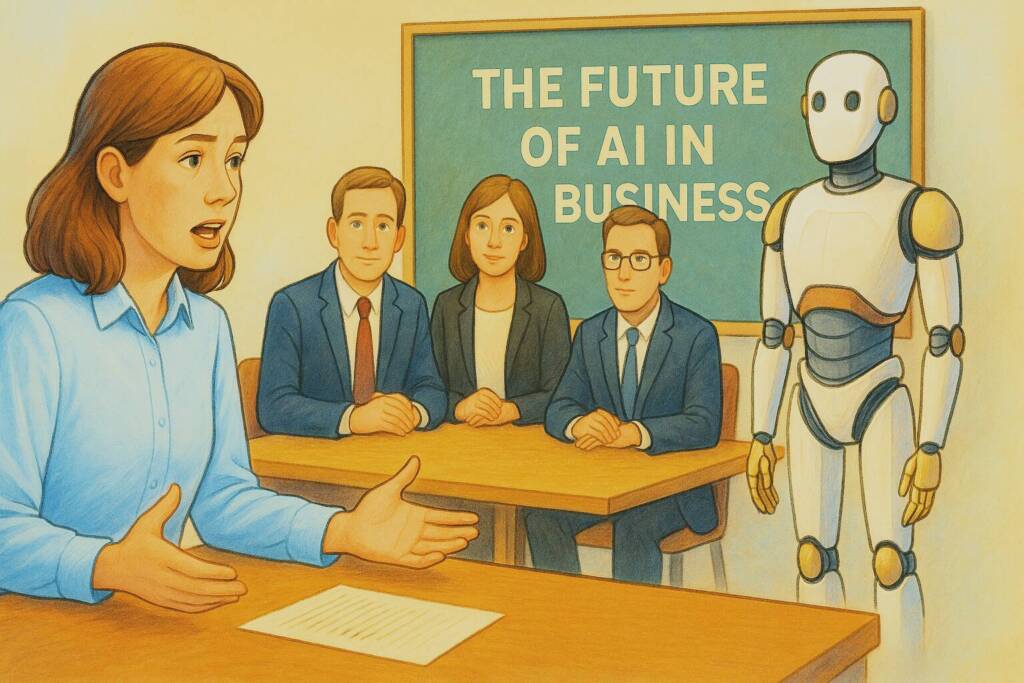
Commenting upon the findings, the Assistant General Secretary at the TUC, Kate Bell, stated: "AI could have transformative potential – and if developed properly, workers can benefit from the productivity gains this technology may bring. But for this to happen workers must be placed at the heart of AI innovation. That means ensuring public money comes with strings attached, and isn’t siphoned away into the pockets of billionaire tech bosses. It means ensuring workers get a share in any productivity gains from new technologies. And it means dedicated training and skills programmes to protect workers in industries that may be disrupted by AI."
Bell adds: "The alternative is bleak. Left unmanaged and in the wrong hands, the AI revolution could entrench rampant inequality as jobs are degraded or displaced......We cannot let that happen....It’s time for an urgent and active policy response that makes sure workers are not left behind."