
Key Points
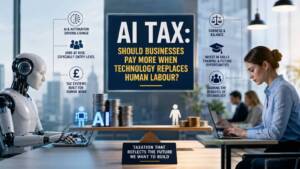
- Anxiety about AI job losses is rising across the UK workforce, particularly among younger workers and those entering the labour market.
- Survey data shows that a majority of young people are concerned about career prospects, automation and long-term job security.
- Official statistics confirm ongoing structural problems in youth employment, with high levels of economic inactivity among 16–24 year olds.
- At the same time, employers are accelerating investment in AI, increasing fears that technology will replace roles rather than create new ones.
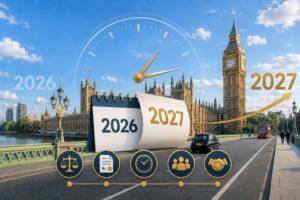
- From 1 January 2027, dismissal related risk for employers will increase significantly as the qualifying period for unfair dismissal is reduced to six months and the cap on compensation is removed.
Mounting Anxiety Among Workers Over AI Job Losses
New research points to growing anxiety among workers in the UK, particularly younger people, about job security and long-term career prospects. Much of this concern centres on economic uncertainty, limited entry-level opportunities and, increasingly, the perceived risk of AI job losses as artificial intelligence becomes more embedded across the labour market.
A recent survey conducted for The King’s Trust highlights the scale of the issue. More than 70% of people aged 16 to 25 said they regretted starting their careers in the current climate, citing weak job prospects, a lack of experience, and fears that automation and AI job losses will reduce opportunities further. The research, based on responses from over 4,000 young people, paints a stark picture of how pessimism is shaping early working lives.
Nearly three-quarters of respondents said they were worried about their future careers, with more than one in four expressing concern that they were “destined to fail”. Barriers such as limited qualifications and a lack of local employment opportunities were frequently cited. Notably, 31% identified poor availability of jobs in their area as a major obstacle, a significant increase compared with previous years.
Concerns about technology and automation are a major driver of this anxiety. The proportion of young people worried about AI job losses has risen sharply, with 59% now expressing concern about the impact of AI on employment. This represents a marked increase from last year and reflects growing awareness that technological change is no longer confined to theoretical debate but is already influencing hiring decisions and workforce structures.
Official labour market data reinforces these concerns. According to the Office for National Statistics, around 12.7% of people aged 16 to 24 in the UK, approximately 946,000 individuals, are not in education, employment or training (NEET). International comparisons are equally sobering. PwC’s Youth Employment Index places the UK 27th out of 38 OECD countries, highlighting persistent structural weaknesses in youth employment outcomes that may be exacerbated by AI job losses over time.
Anxiety about AI job losses is not limited to young people. A parallel survey by recruitment firm Randstad found that more than a quarter (27%) of UK workers believe their role could be made obsolete by AI within the next five years. At the same time, employer adoption of AI technology is accelerating rapidly, with around two-thirds of organisations investing in AI tools over the past year.
This has created what analysts describe as a growing mismatch between employer and employee expectations. While most employers view AI as a means of improving productivity, reducing costs and addressing skills shortages, often through automation rather than workforce expansion, many employees are more concerned about displacement, deskilling and job security. Nearly half of office workers believe AI primarily benefits employers rather than employees, reinforcing fears around AI job losses rather than shared gains.
These concerns are particularly pronounced among Generation Z workers, who often feel less equipped to adapt to rapid technological change than older cohorts. While AI-driven automation is currently concentrated in lower-complexity and administrative roles, its influence is expanding across professional and technical occupations, reshaping expectations around skills, progression and job stability.
That said, the picture is not uniformly negative. More than half of UK employees report that AI has improved their productivity at work, and many recognise its potential to remove repetitive tasks and enhance efficiency. Globally, however, around four in five workers expect AI to significantly change their day-to-day roles, and demand for AI-related skills continues to grow at pace.
Taken together, these findings underline the scale of the challenge facing policymakers, employers and educators. Anxiety about AI job losses reflects not only fear of technology itself, but deeper concerns about preparedness, fairness and opportunity in a rapidly changing labour market. Addressing these issues will require sustained investment in education and training, clearer pathways into work for younger people, and a more balanced approach to technological adoption that supports both productivity and workforce resilience.
As AI continues to reshape how work is done, bridging the gap between employer expectations and employee preparedness will be critical. Without clearer pathways into work and meaningful reskilling opportunities, concerns about AI job losses are likely to intensify, particularly among younger workers already facing a fragile labour market. In the absence of effective intervention, fears about AI job losses risk undermining workforce confidence, social mobility and long-term economic stability.
Unfair Dismissal Changes To Come Into Effect On 1st January 2027
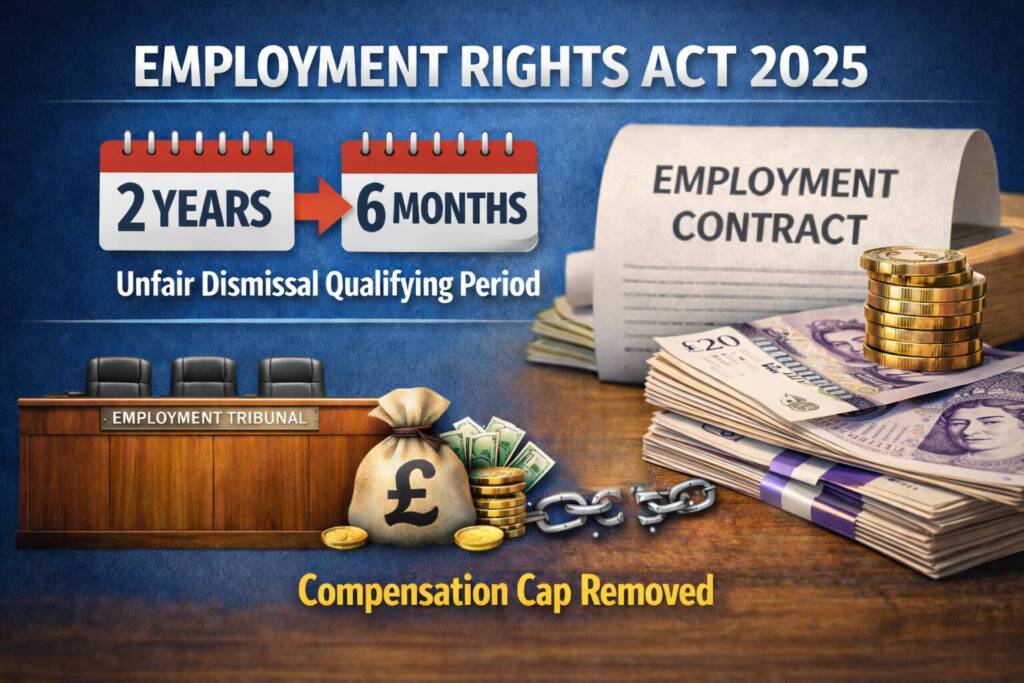
As we confirmed in a recent article, the Employment Rights Bill received Royal Assent on the 18th December 2025, and formally became the Employment Rights Act 2025.
Following on from this, the Government has now confirmed that the reduction in the qualifying period for ordinary unfair dismissal from two years to six months, and the removal of the statutory cap on unfair dismissal compensation, will come into force on the 1st January 2027.
Employers: What This Means
- Increased use of AI is likely to drive workforce change, which brings heightened legal and employee relations risk if roles are removed, reshaped or automated without careful planning.
- Employers adopting AI should ensure that any workforce changes are supported by clear processes, consistent decision-making and proper documentation, including consideration of retraining or redeployment where appropriate.
- From 1 January 2027, employees will qualify for ordinary unfair dismissal protection after just six months, significantly reducing the scope for risk-free early dismissals.
- The removal of the statutory cap on unfair dismissal compensation will materially increase financial exposure in dismissal and redundancy claims.