
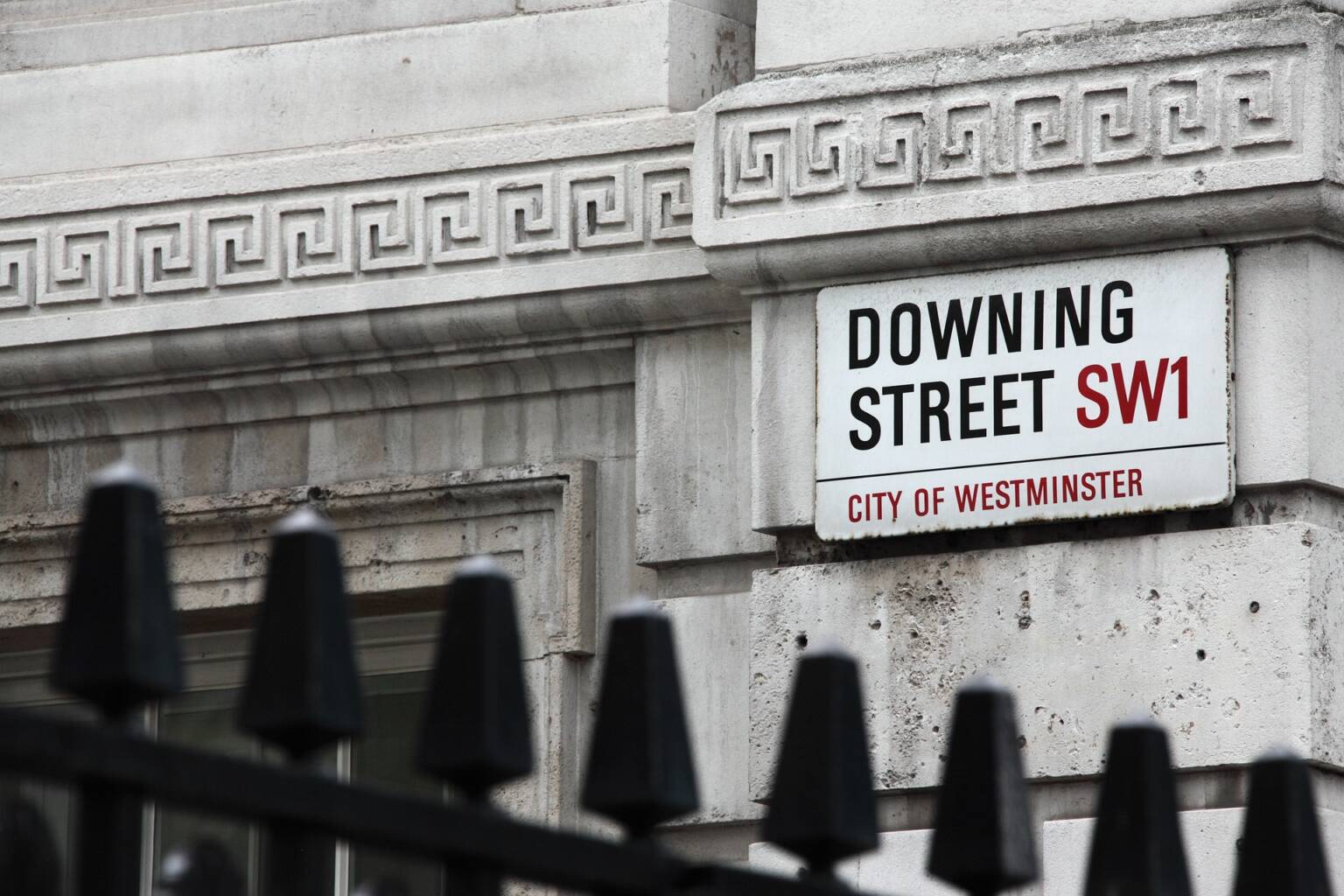
The Chancellor of the Exchequer, Jeremy Hunt, will deliver the 2023 Budget on the 15th March 2023. The 2023 Budget will be Mr Hunt's first budget, and it will be accompanied by a report from the Office for Budget Responsibility (OBR), which will set out the OBR's latest 5 year forecast in relation to the UK economy. One of the measures many are calling for as part of the 2023 Budget, however, is for the corporation tax hike to be scrapped
2023 Budget
The 2023 Budget is the first budget since the so-called 'mini-budget' (aka the 'growth plan 2022') was delivered on the 23rd September 2022 by the then Chancellor of the Exchequer, Kwasi Kwarteng, an event which precipitated a crash in the value of the pound (which almost reached parity with the US dollar), and ultimately led to the dismissal of Kwarteng as Chancellor and the downfall of then Prime Minister, Liz Truss
Jeremy Hunt took over as Chancellor of the Exchequer from Kwasi Kwarteng and then proceeded to reverse almost all aspects of the mini-budget in his Autumn Statement on the 17th November 2022. One of the announcements made in that Autumn Statement was to confirm that corporation tax would be increasing from 19% to 25% with effect from the 1st April 2023, for those companies with profits of £250,000.00 or more.
Economy Performed Better Than Expected
Since the Autumn Statement was delivered, however, the economic news has been much better than was anticipated at the time. Thus far, the UK has avoided a recession, inflation, energy wholesale prices, and the cost of fuel are falling, public sector borrowing has been £30.6bn less than expected, and tax receipts for 2023 have so far been approximately £10 billion higher than anticipated. What this means, therefore, is that the Chancellor has more headroom in terms of the options available to him for the 2023 Budget.
One of the issues to look out for in the 2023 Budget is whether the planned corporation tax hike from 19% to 25% for businesses with profits of £250,000.00 or more per annum on the 1st April 2023 will be scrapped. Many are calling for this given the increased headroom available to the Chancellor to facilitate such a move.
Corporation Tax
The increase in corporation tax from 19% to 25% for those companies with profits of £250,000.00 or more is projected to raise just £12 billion per annum. However, this utterly reckless, ludicrous, and short sighted penny wise pound foolish measure will end up costing the UK far more than that in the medium to long term, by killing off investment, and crushing the UK's economic competitiveness and growth potential.
Republic of Ireland comparison
By way of comparison, the Republic of Ireland has a corporation tax rate of just 12.5%, a rate which is 6.5% lower than the current rate in the UK of 19%, and 12.5% below what the UK rate will be from the 1st April 2023 (i.e. 25%).
Ireland's low rate of corporation tax has been so successful that it has attracted huge levels of inward investment, with many of the worlds tech giants locating their European headquarters in the country (e.g. Google, Facebook, Yahoo, LinkedIn, eBay, Amazon, and TikTok).
The net result of all of this investment coming into Ireland has been that Ireland now ranks second in the world in terms of GDP per capita ($125,292.00, which equates to £104,115.09). In comparison, the UK languishes down in 32nd place, with GDP per capita of just $51,682.00 (which equates to £42,946.69). That is, the very far-sighted decision by the former finance minister, Charlie McCreevy, to reduce Irish corporate tax from 32% to 12.5% back in 1999, has contributed to a situation where Ireland now has GDP per capita which is more than twice that of the UK (in fact, it is almost 2.5 times as large).
Reversal of Fortunes
Back in 1999, when the decision by Ireland to reduce corporation tax was made, Ireland had GDP per capita of $26,234.00 and the UK $34,496.00. The total reversal in fortunes in the intervening 24 years, just goes to highlight how effective the decision by Ireland was to reduce corporation tax. The moral of the story is that the most successful economies are those that tax less. People and businesses keep more of their own money, which in turn means that they can afford to invest more. That in turn increases productivity (as investment improves technological infrastructure), and in turn that enhanced investment and productivity increase growth.
Calls To Scrap The Corporation Tax Hike
Given that public sector borrowing in the UK has been considerably less than expected, and tax receipts substantially higher, many have called upon the Government to announce in the 2023 Budget that corporation tax will at the very least remain at 19%.
One of those calling for the increase in corporation tax to be scrapped in the 2023 Budget is the former home secretary, Priti Patel. She told the Daily Telegraph: "It is not too late for the chancellor to back business and end the current political obsession of regulation, high taxes and interference with business. The chancellor must send a positive signal to business in the budget which supports jobs and economic growth. Now is not the time for an increase in corporation tax."
AstraZeneca Decision Proves Corporation Tax Rate Is Too High
Moreover, Conservative MP's, business leaders, and economists wrote an open letter calling for the Government to scrap the corporation tax hike. The letter stated: "If the increase proceeds, potential new jobs and higher national output will be lost and your commendable ambition of transforming Britain into a "science superpower" will be undermined. Levelling up hopes will be hit hard. The announcement by AstraZeneca that it will be investing £320 million in the Republic of Ireland rather than in the North of England because UK corporation tax rates are too high is a dispiriting blow to the UK economy and a harbinger of what may come."
The letter added: "We strongly urge you to abandon your plans to increase Corporation Tax and instead follow a growth agenda that will make Britain a better place for companies to do business and encourage inward investment."
As that letter highlights, it is interesting to note that a British company, AstraZeneca, has decided to invest in the Republic of Ireland, rather than in the UK, due to the disparity in corporation tax rates. The evidence of the last quarter of a century highlights that the Republic of Ireland got that issue totally right and made the right call, and that UK rates have been far too high for far too long.

