
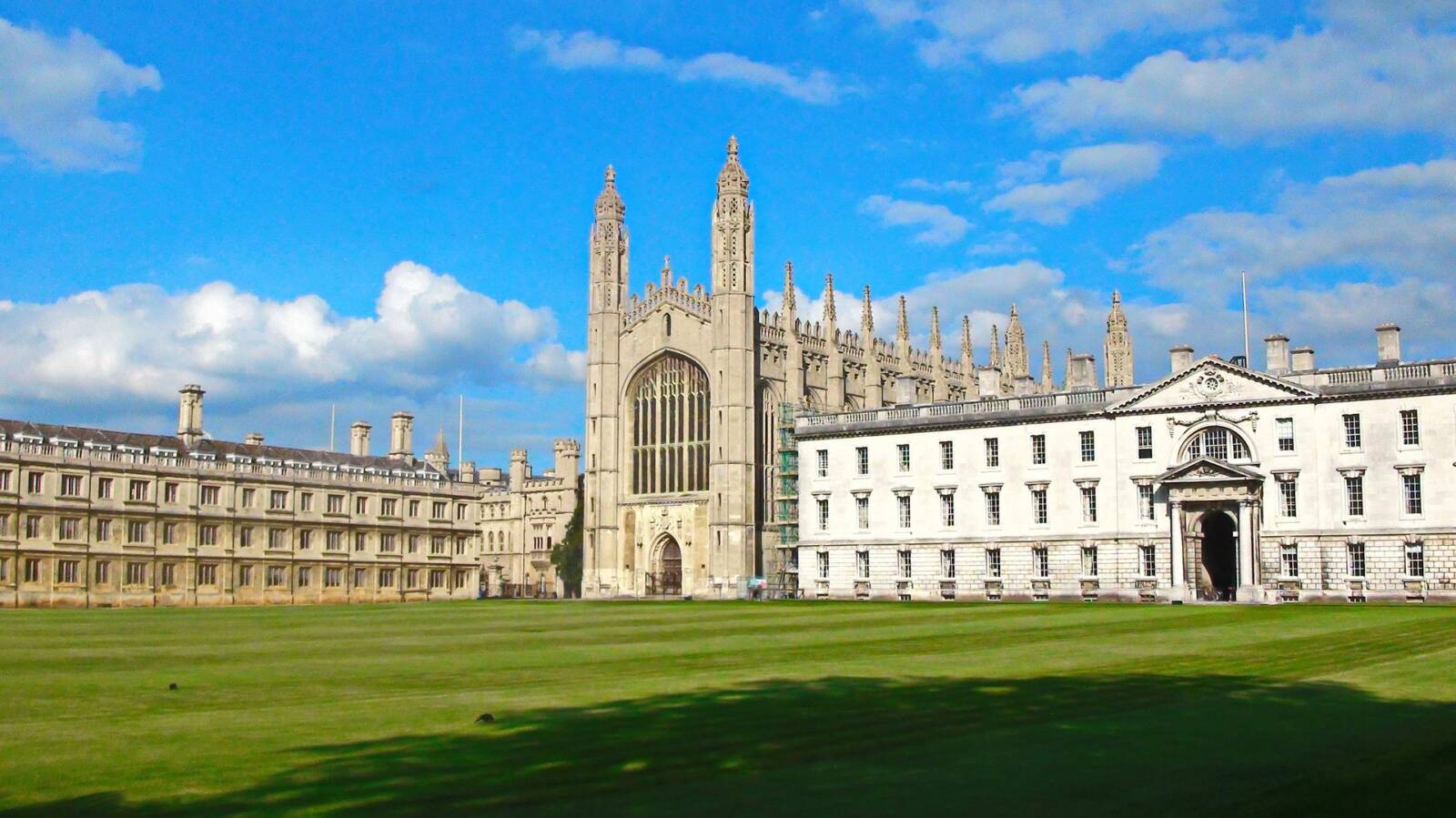
In recent years, the UK has witnessed a significant shift in attitudes towards higher education, prompting a crucial debate about the value and relevance of university degrees in today's rapidly evolving job market. While traditional degrees have long been considered a gateway to better career prospects, emerging trends and economic realities are challenging this conventional wisdom.
The Current State of Higher Education
Recent data reveals a concerning trend in university enrolment. Despite previous predictions of increased student numbers due to population growth, demand for higher education is softening. The Higher Education Policy Institute (HEPI), for instance, reports that the proportion of young people pursuing university education has declined since the COVID-19 pandemic, with some institutions experiencing significant drops in enrolment.
Financial Considerations
The financial aspect of university education remains a critical factor. Current statistics show:
- Average undergraduate student debt : £45,000
- Graduate earnings premium at age 31: 37% higher than non-graduates
- Lifetime earnings benefit: £280,000 for men, £190,000 for women
However, these figures must be weighed against rising living costs and stagnating maintenance support. Notably, 55% of students now work during term-time to make ends meet, potentially impacting their academic experience and overall university life.
The Evolving Job Market
Today's employers increasingly value:
- Practical skills and hands-on experience: Employers highly value candidates who can demonstrate real-world application of their knowledge. This includes internship experience, project work, and practical problem-solving abilities that directly translate to workplace scenarios.
- Technical competencies: Modern workplaces require proficiency in specific tools, software, and technical processes. Employers seek candidates who possess relevant technical skills and can quickly adapt to new technologies and industry-specific platforms.
- Adaptability and continuous learning: In today's rapidly evolving business environment, employers prioritise individuals who show the ability to learn new skills quickly, adapt to changing circumstances, and maintain a growth mindset. This includes being open to upskilling, cross-training, and embracing new methodologies.
- Industry-specific certifications: Professional qualifications and specialised certifications demonstrate focused expertise and commitment to professional development. Employers value these credentials as they often indicate practical, up-to-date knowledge in specific fields or technologies.
This shift has led to growing interest in alternative pathways, including:
- Degree apprenticeships
- Vocational training
- Professional certifications
- Online learning platforms
Benefits Beyond Earnings
University education, however, continues to offer significant advantages:
- Development of critical thinking skills
- Enhanced communication abilities
- Valuable networking opportunities
- Better long-term career progression
Alternative Pathways Gaining Traction
Nevertheless, the rise of alternative education routes is evident through:
- Increased applications for apprenticeships: Recent data shows a significant increase in apprenticeship applications. These programs offer hands-on training while earning, making them particularly attractive to those seeking immediate workplace experience and income.
- Growing popularity of specialised bootcamps: Tech and digital skills bootcamps have seen considerable growth. These intensive, short-term programs focus on specific industry skills and often boast high employment rates within six months of completion.
- Emergence of employer-sponsored training programs: Major companies are increasingly investing in their own education initiatives, offering comprehensive training programs that combine workplace learning with recognised qualifications. These programs often guarantee employment upon successful completion and come without the burden of student debt.
- Interest in gap year experiences and international opportunities: More young people are choosing structured gap years that combine travel with skill development and volunteer work. These experiences often include language acquisition, cultural immersion, and project-based learning, providing valuable soft skills and global perspective that many employers value.
The Middle Ground
Rather than completely dismissing university education, a more nuanced approach is emerging. Many successful career paths now combine elements of traditional education with practical experience and specialised training. This hybrid approach allows individuals to benefit from academic knowledge while developing industry-relevant skills.
Future Outlook
The future of higher education likely lies in its ability to adapt to changing market demands. Universities that can offer:
- Flexible learning options
- Industry-relevant curricula
- Practical experience opportunities
- Affordable study programs
will be better positioned to maintain their relevance and value proposition.
Conclusion
While university education remains valuable, its role is evolving rather than diminishing. The key lies in understanding that different paths suit different individuals and career goals. Success in today's job market often requires a combination of academic knowledge, practical skills, and continuous learning - whether acquired through traditional university education or alternative routes.
The challenge for prospective students is not simply deciding whether to attend university, but rather determining which educational path best aligns with their requirements.

