
First quarter GDP was worse than at first reported according to revised data from the Office for National Statistics (ONS).
Revised First Quarter GDP Data
Originally, the ONS reported that GDP fell by 5.8% in March 2020, and by 2% during the first quarter, that being January – March 2020. However, the revised first quarter GDP data shows that in actual fact, GDP fell by 6.9% in March 2020 (which encompassed the first 9 days of the coronavirus lockdown), and fell by 2.2% over the first quarter of 2020. The first quarter fall is the largest since the 3rd quarter of 1979 (i.e July - September 1979), in which there was also a fall of 2.2%.
Services output contracted by 2.3% during the period January -March 2020 (0.4% higher than originally reported), whilst production fell by 1.5% and construction by 1.7% during the same quarter.
V-Shaped Recovery
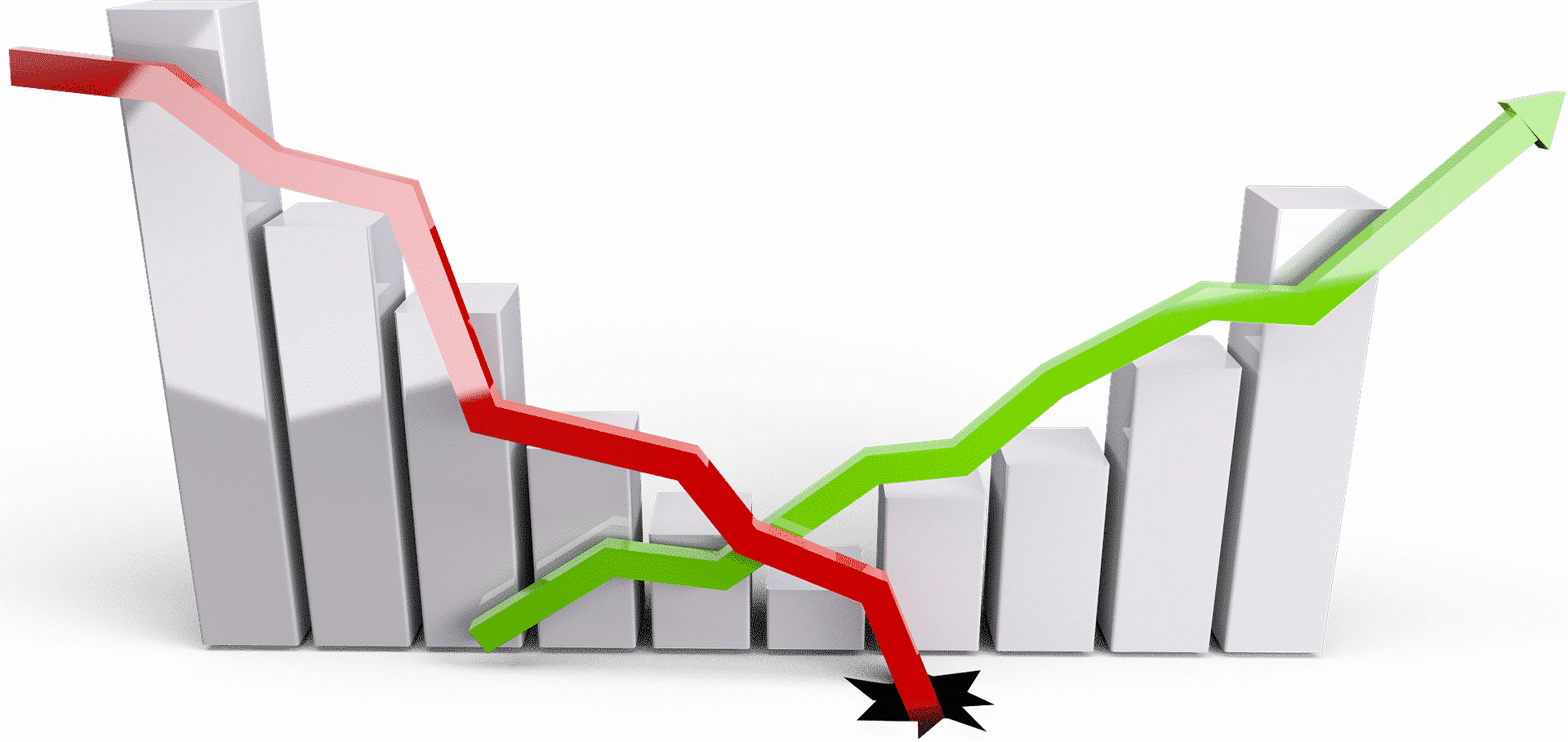
Whist the first quarter GDP data is grim, the Bank of England's chief economist, Andy Haldane, suggests that there are early signs from consumer spending data, confidence surveys, and surveys of business activity, that the UK economy is recovering at a faster rate than expected, and may be on course for a v-shaped recovery. He said that: "Generally speaking, these indicators suggest the recovery in both the UK and global economies has come somewhat sooner, and has been materially faster, than [earlier forecasts]...There is a debate about which letter of the alphabet will best describe the path of the economy, with some scepticism about the V-shaped scenario path in the Bank’s May Monetary Policy Report. It is early days, but my reading of the evidence is so far, so V.....The balance of evidence suggests so far the recovery is, in consumer spending at least, on pretty steady legs."
The "New Deal" Spending Plan
Following the release of the revised first quarter GDP data, Boris Johnson announced that the Government would be bringing forward plans to inject £5 billion into the economy by “accelerat[ing] infrastructure projects”, including the building of roads, hospitals, and schools. He said that the country needed to "build, build, build" its way out of recession. He added: "I am conscious as I say all this that it sounds like a prodigious amount of government intervention, It sounds like a New Deal and all I can say is that if so, then that is how it is meant to sound and to be, because that is what the times demand, a government that is powerful and determined and that puts its arms around people at a time of crisis, that tackles homelessness, the inequalities that drive people to food banks, because it is time now not just for a New Deal but a Fair Deal for the British people, and we can do all this now partly because of the prudent management of the economy in the last ten years, but also because we are planning to invest now when the cost of borrowing allows it, and when the returns are greatest, because that is the way both now and in the medium term to drive the growth, to fuel the animal spirits and the long-term business investment on which our future prosperity depends. My friends, I am not a communist. I believe it is also the job of government to create the conditions for free market enterprise."
Nevertheless, critics point out that the £5 billion that the Government is planning to invest is money that had already been earmarked back in March 2020 in terms of infrastructure spending, and represents just 0.2% of GDP, compared with the 40% that Franklin D Roosevelt spent during the original 1930s American New Deal. They argue that this is nowhere near enough, especially in light of the fact that the first quarter GDP figures are worse than at first reported. However, Pierre Briançon of MarketWatch argues that: "what mattered was the general line more than the actual numbers.....It is easy to see why Johnson couldn’t do much more than what he announced on Tuesday — a few crumbs to spend on a few roads and schools. One reason is....it takes some time to devise a long-term plan to take economies out of the slump while they remain in partial lockdowns, and the massive measures taken in the first phase of the pandemic are still in place. The next stage will require different tools, more focused action, and bolder ambitions, but to be effective, the postcrisis plans will first have to take stock of what has been done since March."

